How trauma-informed leadership can help organisations address legal and ethical obligations
**This article gained a lot of attention on LinkedIn and Substack. Join the conversationA colleague recently sent me this meme which felt a little too familiar for comfort. I laughed, but it stayed with me…
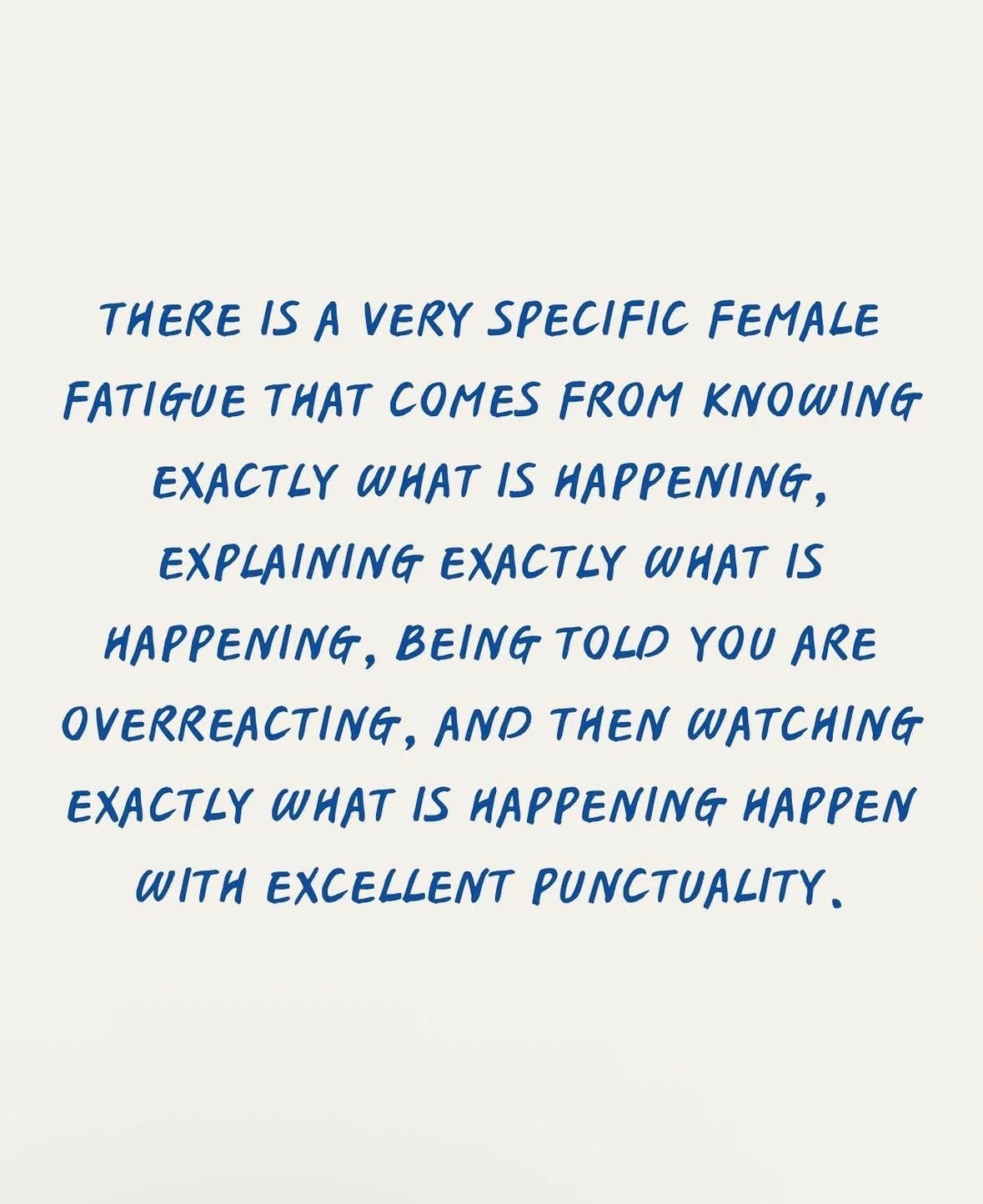
@poetsandwriters on Instagram
Being able to scan for and effectively identify psychosocial hazards is a fundamental skill for trauma-informed leaders but most managers have not been trained for this. We think about chemicals, trip hazards, manual handling, but rarely address psychosocial hazards beyond having an anti-bullying and harassment policy. Legislation is now making psychosocial hazard identification a critical skill for leaders but we still have a long way to go before we see widespread adoption.
With the relatively recent introduction of Australia’s psychosocial hazards legislation, the Work Health and Safety (Managing Psychosocial Hazards at Work) Code of Practice 2024, I’ve been wondering how our laws compare with those in other countries. I came across this blog by Divija Bansal, Consultant, Affinity Health at Work, breaking down psychosocial hazards legislation around the world which was very interesting. I’m not surprised to find that Australia has one of the most advanced approaches, but we still have room to grow.
The blog breaks down national systems into four categories:
The most mature – legislated assessment and mandatory reporting of psychosocial hazards to regulators – Japan and the Netherlands.
Mandatory assessment but limited reporting – Australia, New Zealand, Canada, many EU nations, Chile, Brazil, Mexico, Taiwan, and Republic of Korea. Australia was singled out as a special case because of our strong risk management framework which includes legal obligations for employers.
Policy intention stage – countries which mention psychosocial or mental health hazards in their workplace health and safety legislation but have no mandated assessment or reporting – USA, South Africa, Czech Republic.
Focus on physical risks not psychosocial – legislation around physical risks only, may include generic references to mental health but no specific psychosocial hazard obligations – India, China and Indonesia.
Bansal pointed out that legislation tends to prioritise risks such as bullying, harassment and discrimination but leaves out some of the key psychosocial hazards that need to be addressed. Bansal encouraged managers to “identify risks early” but there are a lot of assumptions underlying that statement. In my experience, many managers don’t think about psychosocial hazards in their day-to-day roles and would struggle to effectively identify and manage them without guidance. Organisations create anti-bullying and mental health policies, offer an employee assistance program, and assume that their obligations have been met. To be effective, policy needs action long before after an incident or issue has arisen. But if leaders are ignorant of psychosocial hazards they are unable to mitigate the risk.
There is a substantial education piece that is missing. I’ve spoken with a lot of leaders recently at all these networking events I keep complaining about. Roughly half had no idea that Australia now has a legislative requirement for organisations to address psychosocial hazards. I had coffee recently with a C-suite leader who spoke of their concerns about their organisation’s culture and leadership. I showed them the list of psychosocial hazards below and watched while they turned pale. “We have almost all of these.”