
Research and leadership that makes a real impact.
What is Trauma-informed Leadership?
The future of leadership is trauma-informed.
Beyond just addressing psychosocial hazards, trauma-informed leadership takes a holistic and proactive approach to mentally healthy organisations.
The vast majority of the Australian population has experienced trauma. Most people will not develop a mental illness as a result, but that doesn’t mean that there are no long-term impacts. For many people, they might not even recognise that their behavioural habits are related to trauma. Trauma heightens the likelihood that a person will perceive a situation as threatening. I call this increasing the threat volume. Feeling this heightened sense of threat is exhausting. It means that people who have experienced trauma often find themselves continually scanning, ‘masking,’ and noticing even the smallest changes in their environment.
Trauma-informed leadership is not about expecting that leaders will become therapists.
It’s about creating an environment where every member of their team can work at their best.
That begins with understanding the way that threat derails productivity and how we can turn down the threat volume to get back on track. This is not about making people comfortable, it’s about creating the conditions where both organisations and individuals thrive. Sometimes that requires us to actively get uncomfortable.
Trauma-informed leadership uses what we know about trauma, human behaviour, complex systems, organisational change, psychosocial hazards and public health to design organisations differently. It takes hard work, deep self-reflection, and a willingness to embrace a new way of working.
Do you have the courage to get started?
Dr Olivia Fisher founded this Australian research, leadership and transformation consultancy specialising in trauma-informed practice, psychologically healthy workplaces and trauma-informed leadership. Become a trauma-informed leader at TraumaInformed.com.au,
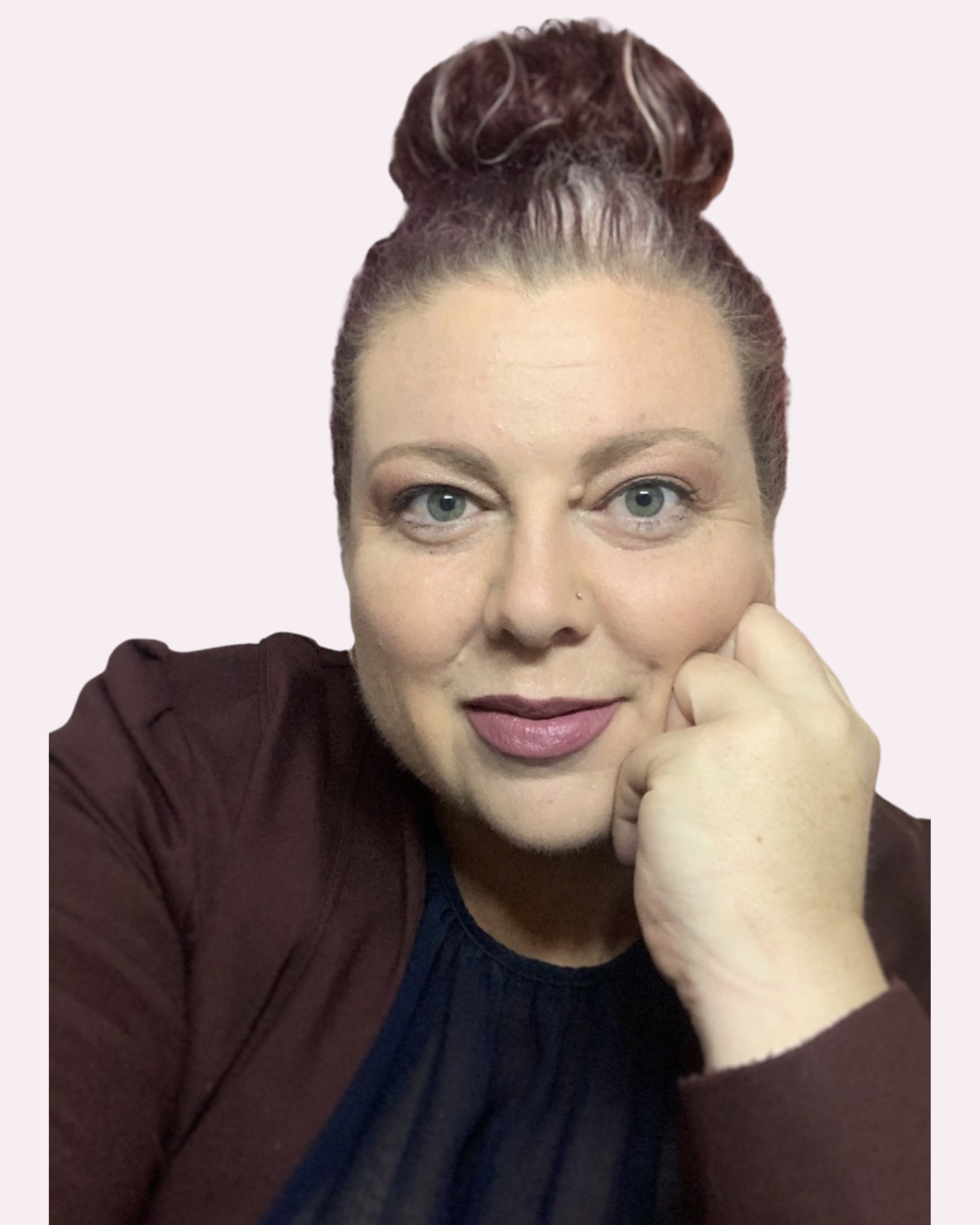

Dr Olivia Fisher
Dr Olivia Fisher is an author, researcher, lecturer, mentor, and implementation scientist.
Recognising a growing need for trauma-informed workplaces over the last decade, Olivia became increasingly frustrated by the lack of evidence-based resources and supports for business leaders. This led to the creation of fast-growing publication The Trauma-informed Leader on Substack, research and development of a new proactive framework for trauma-informed leadership in mainstream organisations, and a book in progress.
As an expert in mental health and implementation science with a health sector career spanning 25 years, Olivia is uniquely placed to help organisations to achieve authentic trauma-informed approaches. Olivia is frequently approached for advice and mentoring by business leaders, academics, and policy makers.
Prior to entering academia, Olivia was a mental health occupational therapist, project manager, and mental health promotion specialist. Since completing a PhD in Public Health in 2019, Olivia established and led major research projects and teams, including groundbreaking mental health and virtual hospital research now published in leading peer-reviewed journals.
Olivia’s work has attracted substantial media attention such as interviews on commercial and ABC tv and radio and a wide variety of podcasts. A career highlight was getting to meet the legendary Bill Nye the Science Guy and appear on his Science Rules! Podcast. She has written for The Conversation and the Medical Journal of Australia’s MJAInsight+ magazine, and has given invited presentations at conferences, summits and events across Australia and Europe.
In addition to her consultancy work, Olivia lectures about health system reform at Queensland University of Technology, and is an Adjunct Senior Lecturer at Charles Darwin University and a member of the UnitingCare Queensland Human Research Ethics Committee.
Olivia’s research is not just theoretical: it translates into real-world impacts and better health outcomes. Health services, police services, corporate organisations and policy makers around the world have adopted Olivia’s research into practice. This is making a real difference to health outcomes and quality of life for leaders, clinicians, and health consumers.
Olivia’s research and project partners have included Queensland Health, Queensland Police Service, Queensland Ambulance Service, Education Queensland, Independent Schools Queensland, Queensland Catholic Education Commission, UnitingCare Queensland, not-for-profit organisations, private research institutes, Primary Health Networks, medical practitioners, and Australian and international universities.