How implementation science can guide effective organisational change
Although trauma-informed leadership is one of my passion topics, the majority of my work in recent years has been in implementation science. There’s a lot of crossover between the two that might not immediately be obvious.
When I first joined Substack I searched for any posts or accounts focused on implementation science and found nothing. I shared an old article that explained why I became and implementation scientist. Few people seemed interested in the topic so I dropped it and just focused on trauma-informed leadership.
But recently I’ve been reminded just how important implementation science is for complex interventions across all sorts of organisational settings. When it’s finally finished (I’m working on it), my trauma-informed leadership book will include an implementation process to support organisations to effectively implement the framework presented in the book. I believe this is just as important as the framework itself.
In the meantime, here are a few thoughts on where organisational change goes wrong, what we need to do to get it right, and what this means for trauma-informed leadership.
“The “implementation” part of our name is unfortunately misleading because people tend to assume we either:
1. Actually implement something (we don’t)
2. Just focus on the implementation component of the change process (also not true)”
From the article “What is implementation science and why are people suddenly talking about it?”
Understanding your problem
I’m sometimes asked to help develop an implementation strategy for something that I know is not going to work. Occasionally I can convince people not to waste their time, money, staff and stakeholder goodwill on something that is doomed from the beginning. Other times I have to walk away because I’m no longer willing to put my time, energy and reputation into something I don’t believe in.
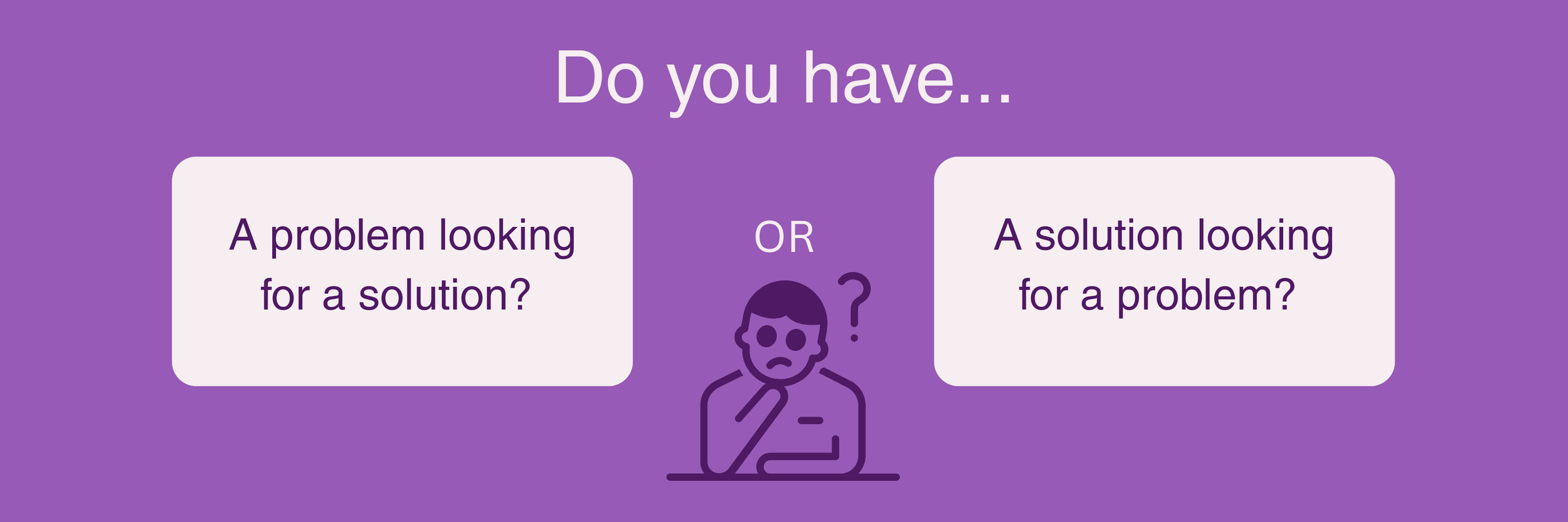
I’ve helped organisations save a lot of money (and probably made some enemies in the tech field along the way) by convincing leaders not to jump in and implement the new app, software or tool without taking a step back and doing what implementation scientists would consider true due diligence. Often what I find is a mismatch between the problem that an organisation is trying to address and the solution they’ve proposed.
Read the full article at The Trauma-informed Leader on Substack.