I challenged popular trauma discourse and people were ANGRY
What a fortnight!
Two weeks ago I published an article on Substack titled “Changing the way we think about trauma.” I thought it was just a straightforward summary of a new peer-reviewed journal article about trauma theory. Business as usual, nothing much to see here. I shared it on my social media platforms expecting maybe a couple of dozen people would read the article.
I was so wrong.
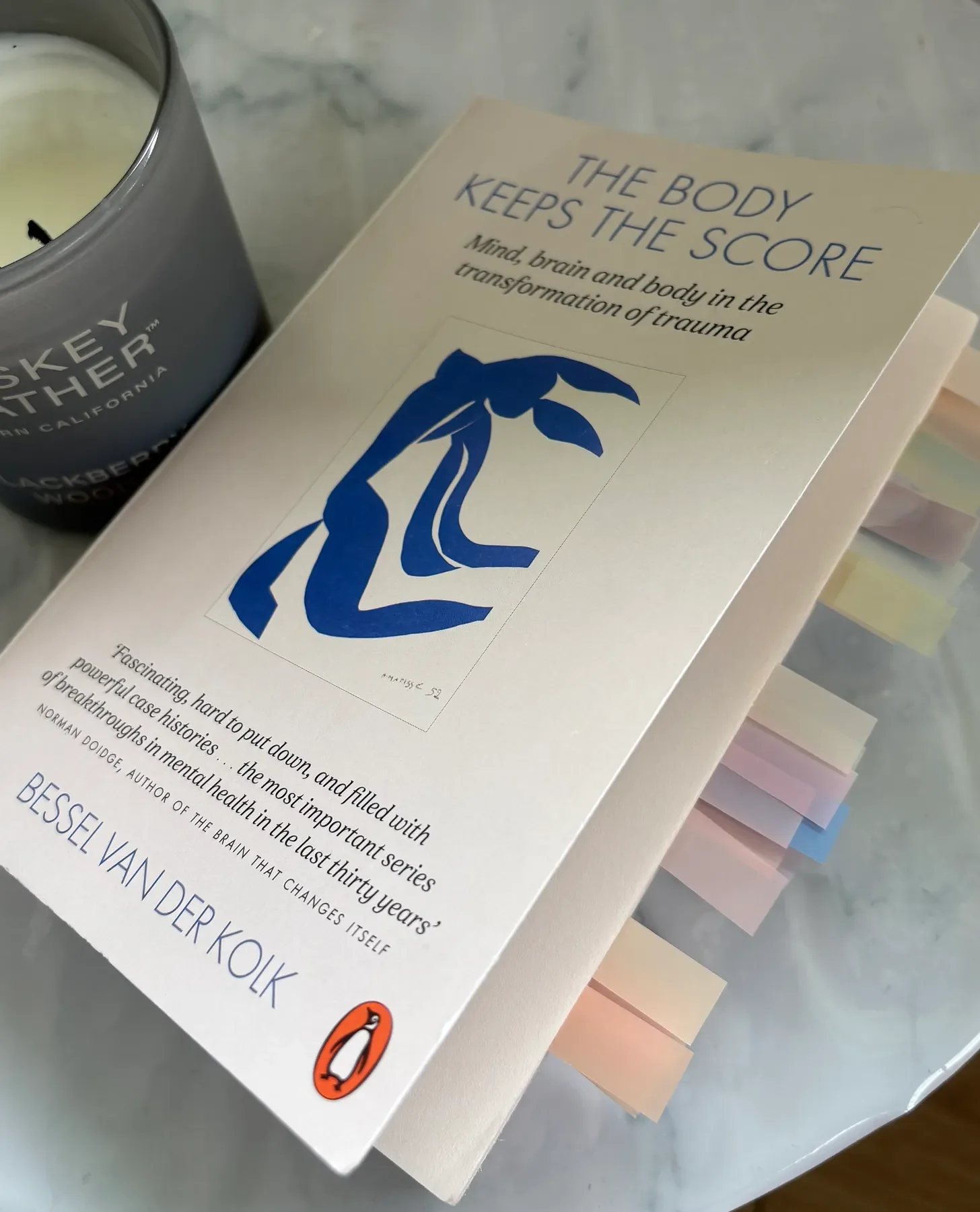
The journal article I critiqued was “The body does not keep the score: trauma, predictive coding, and the restoration of metastability” by Steven Kotler and his colleagues. Kotler and his team critiqued the book “The Body Keeps the Score,” published in 2014 by Bessel Van Der Kolk. They described how some of Van Der Kolk’s theories had been debunked over time and presented a new theoretical approach to explain how trauma impacts arise from errors in threat prediction rather than somatic storage. Their approach was based on neuroscience research conducted after The Body Keeps the Score was published.
The Body Keeps The Score apparently divides the internet and I had no idea. Maybe the people who said I was in an elitist academic bubble were right, at least to some extent, because in my world it’s completely normal to critique theory and adapt our understanding based on new scientific evidence. We acknowledge how theories develop our understanding and approaches to complex problems, and refine those theories as the evidence-base grows.
I went to bed that Tuesday with little to no engagement then woke on Wednesday to discover that it had blown up on LinkedIn overnight. Over the next few days there were vigorous arguments between commenters, personal attacks towards me, and some great points – most of which I had already addressed in the linked article which it seemed few commenters had read. I acknowledge that my brief post used language that was intended to gain attention and lacked nuance. It’s social media, of course it did, but that’s what the linked article was for – to provide that nuance. If you want to accuse me of clickbait that’s fair! It worked. For what it’s worth, according to a recent notification, I now have one of the most viewed profiles on LinkedIn.
I made it to that Friday feeling exhausted but also exhilarated that during that emotionally turbulent week the algorithm led some very interesting people to find and connect with me. Hi to all of you. I’m glad you’re here.
To anyone who hate-followed me, I’m glad you’re here too. I hope we can keep talking about ideas, theory and evidence without personal attacks towards me or any other commenters.
In the last couple of weeks I’ve found posts by people on other platforms that also spoke about Kotler and colleagues’ paper and attracted similar levels of criticism, debate, and personal attacks. At least I know this wasn’t personal towards me! I hope that Kotler and his team have good mental health supports in place because I suspect they’ll be attracting a lot of negative attention. I attended a major mental health reform summit last week and was grateful to receive a lot of support from colleagues who had seen my LinkedIn post and the comment stream. It’s helpful not to feel alone in this.
Interestingly, over the years I’ve written for The Conversation and other media outlets, been interviewed by the ABC multiple times, and appeared on a lot of podcasts, even including the legendary Bill Nye’s Science Rules! podcast. I’m not new to media attention, but none of it ever led to the sort of engagement and vitriol that I received from a brief LinkedIn post.
Now that I’ve had some time and breathing space there were some questions and criticisms raised that I’d like to address.
Read the full article at The Trauma-informed Leader on Substack.